


Americas Regional Seat
Fundación Multitudes is a Chile-based civil society organization working across Latin America and the Caribbean to strengthen democracy, transparency, civic participation, and human rights. For more than a decade, they have developed research, advocacy, and coalition-building initiatives that seek to connect citizens, civil society, and public institutions in defense of more accountable and inclusive democracies.
Our work focuses on the intersection of democratic governance, civic space, information integrity, gender justice, and transparency in natural resource management. We work especially on how structural inequalities, digital ecosystems, and coordinated anti-rights dynamics affect political participation, public accountability, and access to rights across the region. Through an intersectional and human rights-based approach, Fundación Multitudes develops initiatives on open government, anti-corruption, climate justice, gendered disinformation, and democratic resilience, with a particular focus on women human rights defenders, Indigenous communities, and historically marginalized groups. What distinguishes our work is our ability to connect research, advocacy, coalition-building, and narrative interventions across local, regional, and global spaces, contributing to stronger democratic institutions and more participatory governance processes.
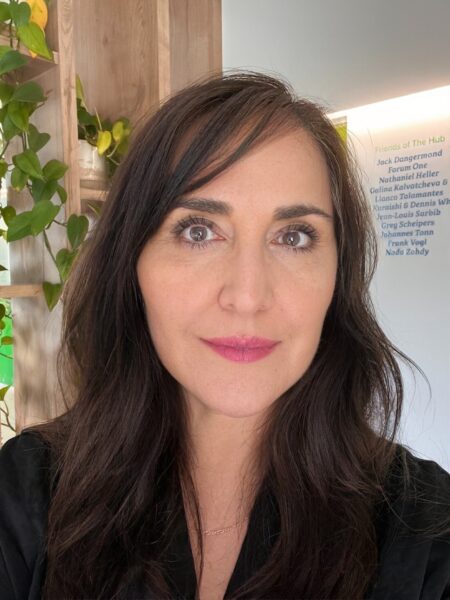
Paulina Ibarra is a democracy and human rights expert with over 20 years of experience in policy and digital rights. As Co-founder and Managing Director of Fundación Multitudes, she advances civic space and gender justice, focusing on AI for humanity and information integrity.
A central architect of transparency, Paulina worked with the Obama Administration to launch the Open Government Partnership (OGP) and secured Chile’s entry into the EITI. A renowned expert on natural resource management, she works with governments and multilaterals in the intersection of policy, gender and climate. She is a steering committee member of the Global Democracy Coalition and board member of CIVICUS.
Previously, she led the World Bank’s regional digital agenda, chaired the Community of Democracies Civil Society Pillar, and was UN Women’s Lead Policy expert on gender disinformation. Appointed by President Gabriel Boric to the Commission Against Disinformation, she was also a Vital Voices Fellow. She holds a BA in Communications and Politics from Marymount University, and a MA in Communications and Development from Georgetown University.
East Asia, Central Asia and Pacific Regional Seat
Indonesia Corruption Watch (ICW) is an organization that focuses on investigating corruption cases in Indonesia. Since 1998, when ICW was founded, ICW has reported numerous major corruption cases involving public officials and state apparatuses, including police. Furthermore, ICW has also been involved in promoting anti-corruption and democracy values through policy advocacy. The Law on Public Information Disclosure, Law on Witness and Victim Protection, Law on Anti-Money Laundering, are some of the regulations that ICW has advocated for.
ICW acknowledges the hardship of corruption eradication and efforts which is it builds and constantly broadens the CSO’s network and capacity. It has been known to provide capacity building for fellow CSOs, journalists, and students to develop their strategies in combating corruption.
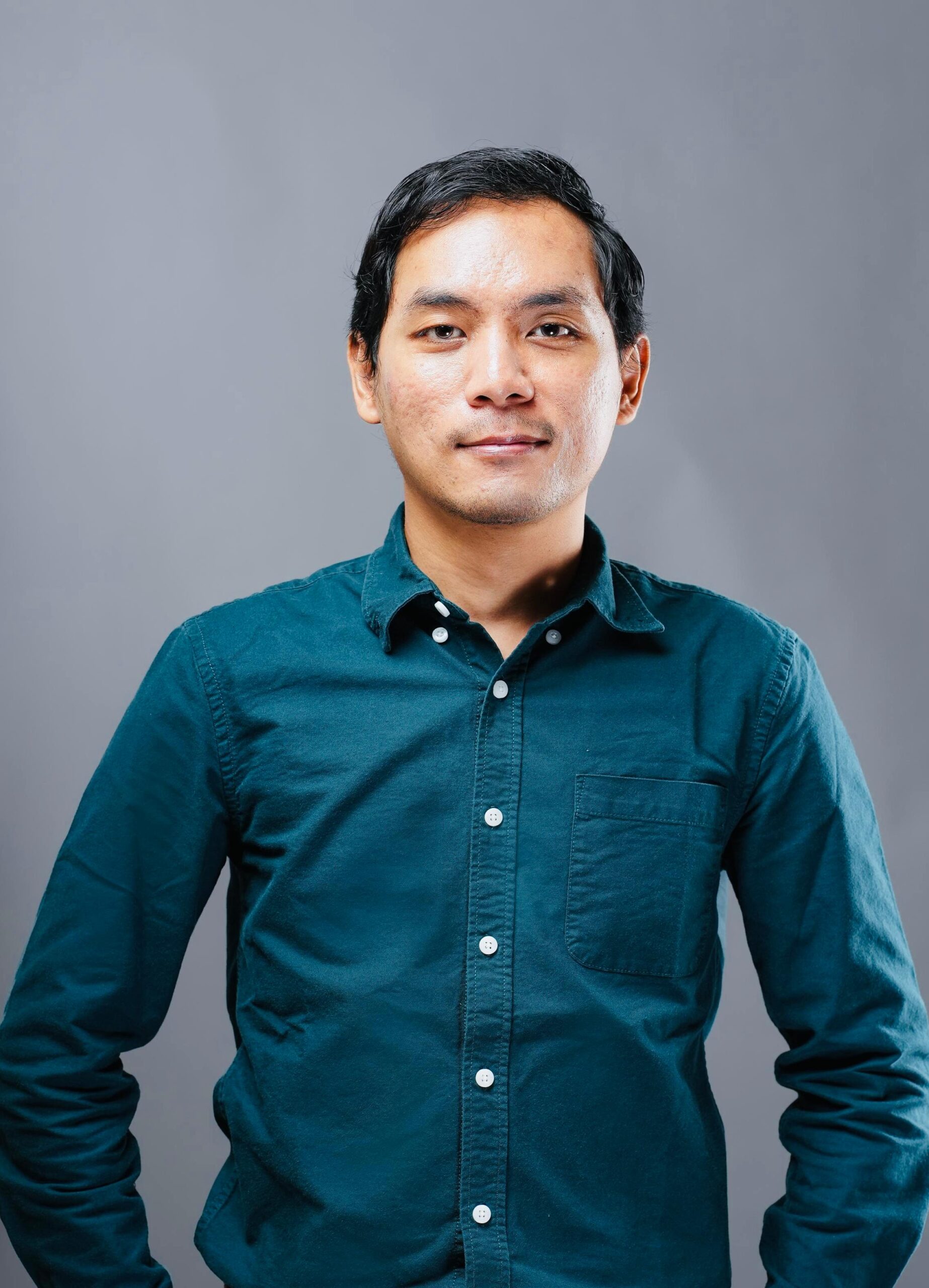
Egi Primayogha is the Head of Advocacy at ICW, where he leads efforts to promote transparency, accountability, and democratic reform. With over a decade of experience in the anti-corruption field, Egi’s expertise includes political corruption, the complex interplay between politics and business, state capture, and environmental corruption.
He holds a Master’s degree in Development Studies from the Institute of Development Studies, University of Sussex. Egi combines rigorous research with strategic advocacy to influence public policy and drive systemic change.
A strong advocate for civic engagement, he also serves as an educator in ICW’s Anti-Corruption School and Anti-Corruption Academy – initiatives that equip citizens with the knowledge and tools to hold power to account. His work supports the development of robust institutions and empowered communities capable of resisting corruption and promoting democratic values.
Europe Regional Seat 1
Libera is an Italian network of over 1,600 associations, cooperatives, schools, and active citizens, founded in 1995 to advance social justice, democratic legality, and the protection of fundamental rights. Active across Italy and in more than 35 countries, Libera works to strengthen community resilience against organised crime and corruption through education, civic engagement, advocacy, and international cooperation, fostering active citizenship rooted in democratic values and the rule of law.
Libera promotes transparency, integrity, accountability, and meaningful public participation through community-based initiatives and policy engagement. Its core activities include promoting the social reuse of assets confiscated from organised crime; developing educational pathways that engage educators, professionals, families, and young people in building a shared culture of legality; preserving the memory of innocent victims of organised crime and corruption, and supporting their families; and implementing programmes for minors involved in judicial proceedings. Libera also participates as a civil party in organised crime and corruption trials and contributes to national and international anti-mafia and anti-corruption policy processes.
At the international level, Libera coordinates and strengthens transnational networks including CHANCE in Europe, ALAS in Latin America, and PLACE in Africa, creating collaborative spaces to prevent and combat organised crime and corruption globally.

Elisa Orlando is an anti-corruption advocate specialized in community-based monitoring, civic engagement, and advocacy against corruption. She works with Libera in Italy under the “Common – Monitoring Communities” initiative, promoting participatory approaches to preventing and countering corruption at local and national level, and supporting integrity education and youth empowerment against corruption. At Libera, Elisa supports the organisation’s strategic engagement with UNCAC-related processes and contributes to European projects and international multi-stakeholder initiatives focused on anti-corruption, civic monitoring, whistleblower support, and organised crime prevention. She is also a member of UNODC’s YouthLED Integrity Advisory Board.
Elisa holds a degree in Political Science from the University of Vienna and a postgraduate specialisation in the Analysis, Prevention and Fight against Organised Crime and Corruption (Master APC) from the University of Pisa.
Europe Regional Seat 2
For more than 30 years, Transparency International UK has worked to expose and prevent corruption so that no one in the UK , nor those it has influence over, has to suffer its consequences.
It works with devolved governments, parliamentarians, civil society and businesses to tackle corruption at home, addressing the country’s global corruption footprint and helping multinational companies prevent corruption by operating with integrity.
It is also home to two major global programs tackling corruption in the Defense and Security, and Global Health sectors on behalf of the wider Transparency International movement.

Rachel Davies has worked on anti-corruption policy for fourteen years, focusing on corruption in the UK and its role as a safe haven for dirty money.
She heads up TI-UK’s external-facing team, which also hosts the UK Anti-Corruption Coalition Secretariat, and leads TI-UK’s government-facing work.
She has held roles as Chair of the Economic Crime Civil Society Organisations Steering Group (CSOSG), Co-Chair of the UK Anti-Corruption Coalition, and was a founding member of the UK Open Government Network steering group. She was elected Vice-Chair of the Global Civil Society Coalition for the UNCAC in October 2025.
South West Asia and North Africa Regional Seat
Established in 2011, Jordan Transparency Center (JTC) is a non-profit organization dedicated to promoting transparency and accountability in Jordan. Through legal reform, policy advocacy, civic engagement, digital education, and capacity-building initiatives, JTC empowers citizens, fosters public trust, and strengthens good governance.
JTC collaborates with oversight institutions such as the Audit Bureau, the Jordan Integrity and Anti-Corruption Commission (JIACC), and parliamentary committees. It has also signed MoUs with the Ministries of Education, Higher Education, Youth, and Culture. JTC works to enhance whistleblower protection, train hundreds of public servants on ATI Law, support the development of an e-participation platform, and produce evidence-based policy recommendations for reforms in key sectors.
Its youth arm, “Transparency Knights” initiative, plays a leading role in advancing digital literacy, civic awareness, and integrity education.
Regionally, JTC served as the Coordinator of NGOs group within Arab Integrity and Anti-Corruption Network (ACINET), contributed to high-level conferences in Iraq and Tunisia, and participated in the international observation mission for Kuwait’s 2024 parliamentary elections. It is also a founding member of UNDP-launched Regional Women’s Alliance for Integrity and Anti-Corruption.
Internationally, JTC engages with global networks such as UNCAC Coalition, Open Government Partnership (OGP), and OECD. It also participated in the OECD’s launch of the 2024 Integrity Review of Jordan.
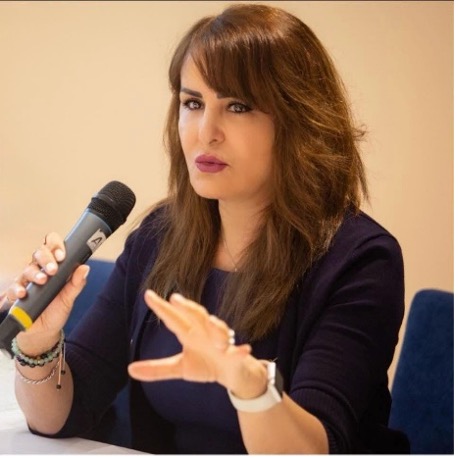
Hilda Ajeilat has been a leading voice in anti-corruption since 2009, building on her background in higher education quality assurance. As a founding member of JTC in 2011, she has championed systemic reforms, becoming an important advocate for transparency, accountability, and good governance in Jordan.
Hilda has spearheaded multiple national anti-corruption initiatives while cultivating strategic partnerships with key transparency organizations. She has regularly engaged in consultations with both parliamentary and government officials to shape effective governance frameworks.
Hilda is a leading female activist in anti-corruption and ATI reform, acting as a liaison between whistleblowers and JIACC to ensure proper handling of complaints. She previously represented JTC on the Coalition’s board, serving two consecutive terms from 2017 to 2021.
South Asia Regional Seat
Transparency International Sri Lanka (TISL) is a National Chapter of Transparency International (TI). Transparency International Sri Lanka (TISL) was established with the purpose of contributing to the fight against corruption in Sri Lanka. TISL commenced active operations at the end of 2002 and has since built a strong institution that has gained the trust of diverse stakeholders in the country, as a leader on anti-corruption. TISL functions as a self-financing, autonomous Chapter of TI with its own board of directors, strategic direction and priorities.
TISL plays the role of a watchdog on corruption in Sri Lanka, through situation monitoring, fact finding, documentation and reporting, while continuing to demand accountability of perpetrators, coupled with the repatriation of stolen assets, election monitoring with a focus on misuse of public property and empowering the people with knowledge and tools to join the fight against corruption. TISL has a strong ALAC network that addresses grass root level corruption and has strong presence on public interest litigation on national level corruption. TI raises awareness of the damaging effects of corruption and works with partners in government, business and civil society to develop and implement effective measures to tackle it.
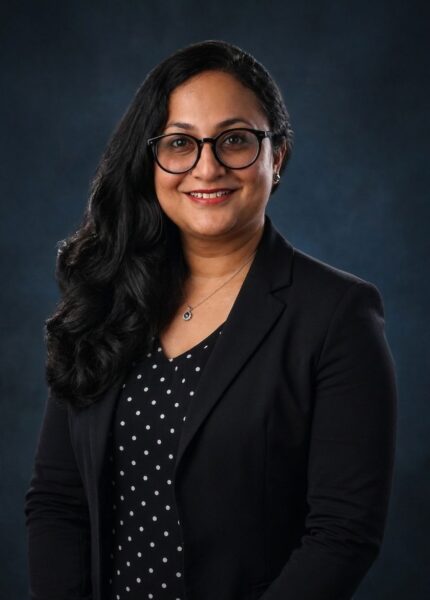
Maheshi Herat is an Attorney-at-Law and anti-corruption practitioner with over a decade of experience advancing transparency, accountability, and governance reforms in Sri Lanka and internationally. Her professional journey has focused on strengthening anti-corruption ecosystems through legal reform, policy advocacy, institutional capacity-building, and civil society engagement.
Currently serving as Executive Director of Transparency International Sri Lanka, she leads strategic anti-corruption programming and stakeholder engagement at national and local levels. Her previous roles with United Nations Development Programme (UNDP), Management Systems International (MSI), and Transparency International have included supporting anti-corruption institutions, strengthening legal and policy frameworks, and advancing implementation of the United Nations Convention Against Corruption (UNCAC).
She has been actively engaged in UNCAC-related work through civil society parallel reporting, advocacy on asset recovery and integrity reforms, and participation in international anti-corruption forums, including the UNCAC Conference of States Parties. As a Board Member, she bring spractical field experience, strategic regional insight, and a strong commitment to amplifying diverse civil society voices to strengthen the Coalition’s global impact.
Sub-Saharan Africa Regional Seat 1
The African Center for Governance, Asset Recovery, and Sustainable Development is an independent governance and research organization registered as limited by guarantee under Nigerian laws, headquartered in Abuja, Nigeria. Working with governments, international and regional organizations, the Center promotes good governance, sustainable development, and the rule of law, fostering cooperation in recovering and returning proceeds of corruption to fill funding gaps for the SDGs and AU Agenda 2063.
The Center believes returning stolen assets enables countries in the Global South to build foundation for prosperity, and operates through training, research, programme management, strategy development, international cooperation, and anti-money laundering compliance. Its mission is to reinforce the links between governance, asset recovery, and sustainable development in line with Agenda 2030, strengthening justice institutions, preventing illicit financial flows, recovering stolen assets, and supporting transparent social reuse of returned assets. It envisions a world free from illicit financial flows where proceeds of crime are recovered and returned to victims of corruption to improve livelihoods, reduce poverty, and address inequality. Its three core objectives are improving governance and accountability systems; the recovery and return of stolen assets; and advancing implementation of the UN Sustainable Development Goals.

Obialunanma Nnaobi-Ayodele is an experienced programme manager, development strategist, and researcher with over a decade of expertise in governance, public policy analysis, and strategic development. Currently serving as Deputy Programme Coordinator at the African Centre for Governance, Asset Recovery and Sustainable Development in Abuja, Nigeria, she supports project management, programme coordination, and stakeholder engagement across the Centre’s governance and anti-corruption portfolio.
Obialunanma holds a Master’s in International Business Management from the Universitat Autònoma de Barcelona and a Bachelor of Science (Hons.) in Accountancy from the University of Nigeria, Nsukka. Her career spans leadership roles at the Meluibe Foundation, Akin Fadeyi Foundation, and Preston Consults Limited, where she drove governance reform, citizen accountability, and anti-corruption programming, including managing a $500,000 MacArthur Foundation grant.
A 2017 Fellow of President Obama’s Young African Leaders Initiative (YALI) and current Co-Chair (Non-State Actors) of the National Steering Committee of the Open Government Partnership in Nigeria, she brings high-level advocacy experience and a strong civil society voice to governance reform processes. Her competencies span monitoring and evaluation, resource mobilisation, stakeholder management, and strategic planning, making her a credible and accomplished representative for any governance-focused organisation.
Sub-Saharan Africa Regional Seat 2
The Ghana Anti-Corruption Coalition (GACC) is a unique cross-sectoral grouping of public, private and civil society organizations with a joint focus on promoting good governance and fighting corruption in Ghana. The GACC promotes anti-corruption and good governance initiatives in Ghana through coordination, capacity-building, partnership building, research and advocacy interventions; engaging coalition members and other key stakeholders operating at the local, regional, national and international levels.
It was founded in March 2001 and currently has thirteen institutional members, including Transparency International Ghana (TI Ghana), Centre for Democratic Development Ghana (CDD-Ghana), Good Governance Africa (GGA) and Commonwealth Human Rights Initiative (CHRI). Through strategic alliances, persistent and efficient coordination of state and non-state entities, and the mobilization of individuals and citizen organizations, the GACC advances integrity and anti-corruption initiatives at all levels.
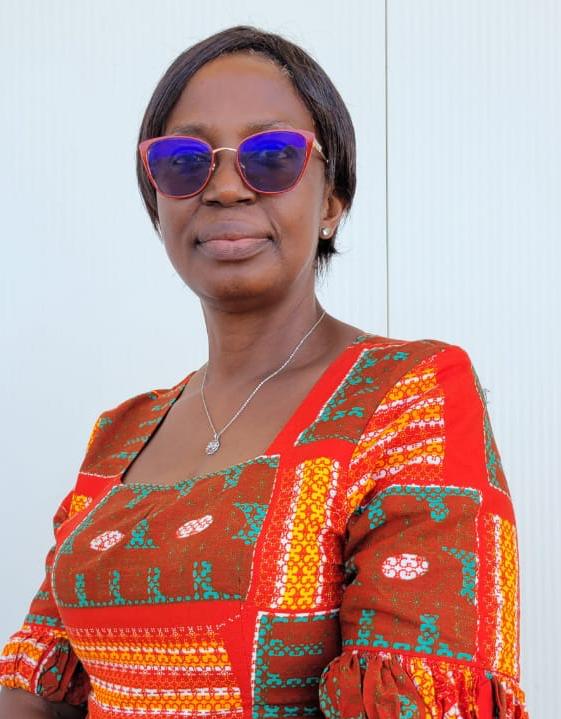 Beauty Emefa Narteh has served as the Executive Secretary of GACC since January 2017. She holds key leadership positions, including Governance Council Chairperson of the Africa Freedom of Information Centre (AFIC), member of the Ghana UNCAC Steering Committee, and member of the High-Level Implementation Committee (HiLIC) of Ghana’s National Anti-Corruption Action Plan (NACAP). Previously, she was Co-Chair of the Ghana CSO Platform on SDGs.
With over 16 years of experience in communications, advocacy, resource mobilization, and project management, Beauty has expertise in anti-corruption, good governance, sustainable development, and gender issues. She has successfully managed projects funded by organizations such as the European Union, USAID, US Embassy, Hewlett Foundation, OSIWA/OSF, World Bank, and DFID.
She holds a Master’s degree in International Affairs with a focus in Communications and Development, and a Graduate Certificate in Women’s Studies from Ohio University, USA. She also earned a Certificate in Executive Communications and Governance Reform from the World Bank and the Annenberg School, USA.
International Member Organization Seat 1
Created in 2015, the Open Data Charter works via a set of 6 core Principles to help organisations in their openness journey. With a Network of over 170 governments and civil society organizations, we promote policies and practices that enable governments and CSOs to collect, share, and use well-governed data, to respond effectively and accountably to the following areas of work: anti-corruption, climate action, gender, artificial intelligence and data rights. We participate in global and regional discussions, forums, and coalitions like the Open Government Partnership, UNCAC Coalition, the UN Global Digital Compact, COP, the Global Alliance for Care, and others.
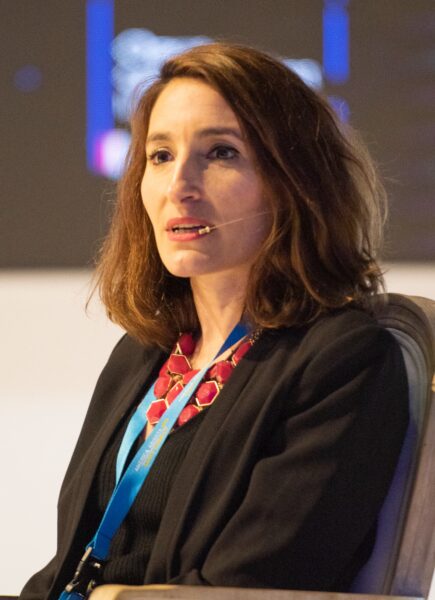 Natalia Carfi is the Executive Director of the Open Data Charter since 2021 and a member of the OGP Steering Committee since 2022. She has a longstanding experience in open data and open government, having worked in this field for over 15 years.
Prior to joining Open Data Charter, she has over a decade of experience working in government, specialising in open government initiatives and civil society engagement projects. As a longstanding and respected member of the open data community in Latin America, she is well connected to civil society organisations and public officials across the world. She is the former Open Government Director for the Undersecretary of Public Innovation and Open Government of Argentina, also Open Government coordinator for the Digital Division of the Government of Chile and for the City of Buenos Aires.
She is part of the Open Data Leaders Network and the Academic Committee of the International Open Data Conference. Since October of 2022, she has been part of the Open Government Partnership Steering Committee, representing global civil society.
International Member Organization Seat 2
The Open Contracting Partnership is an independent non-profit public charity 501(c)(3) working in over 50 countries. We are a silo-busting collaboration across governments, businesses, civil society, and technologists to open up and transform government contracting worldwide. Bringing open data and open government together, we make sure public money is spent openly, fairly and effectively on public contracts, the single biggest item of spending by most governments. They are a government’s number one corruption risk and they are vital to make sure citizens get the services that they deserve.
Through open contracting, we drive massively improved value for money, public integrity and service delivery by shifting public contracting from closed processes and masses of paperwork to digital services that are fair, efficient and ‘open-by-design’. We support reformers from government, business and civil society to make reforms stick, help their innovations jump scale, and foster a culture of openness around the policies, teams, tools, data, and results needed to deliver impact.
 Kristen Robinson leads Open Contracting Partnership’s advocacy, building on her 17 years’ experience in policy advocacy, strategic communications and campaigning. She is passionate about all things open government, open tech and open data. As Communications and Campaigns Director at the Web Foundation, she drove global multi-stakeholder coalition building, policy advocacy campaigns and media relations work with a focus on normative and narrative change. She managed external communications for web inventor Sir Tim Berners-Lee in his capacity as founding executive director.
She has consulted and advised a number of NGOs, multilateral organizations, governments and businesses on their public reputation and external affairs, including during high stakes crises in the areas of peace and security, financial crime, and corruption. Her consultancy clients have included: Kofi Annan Foundation, Bill & Melinda Gates Foundation, Mo Ibrahim Foundation, Africa Progress Panel, Google, Orange, The Elders, Omidyar Network, UN Women, UN Population Fund and a number of governments in the Middle East, Europe, Africa and Central Asia. Kristen began her career with roles for the US and German governments in investment and trade policy, with stints in Mexico City and Shanghai. She graduated from the London School of Economics with an MSc in International Political Economy, and speaks Spanish, French and German proficiently.
Individual Member Seat

Irene Tello Arista is currently the Program Director at Action4Justice, a columnist at El Universal, and a PhD researcher in Political Science at Central European University. Her doctoral work focuses on how beneficial ownership data can be used to strengthen anti-corruption efforts, particularly in contexts marked by opacity and institutional fragility.
With over 15 years of experience in the anti-corruption field, she’s worked at the intersection of civic technology, public policy, and justice reform. She previously served as Executive Director of Impunidad Cero, and held research roles at NYU’s GovLab and Transparencia Mexicana (the Mexican chapter of Transparency International).
She’s especially interested in how to detect grand transnational corruption networks that undermine public service delivery, particularly in the health sector. She also works on building anti-corruption networks that bring together the expertise of government, civil society, academia, journalists, and victims of corruption to confront these systemic issues collaboratively.
Honorary member seat
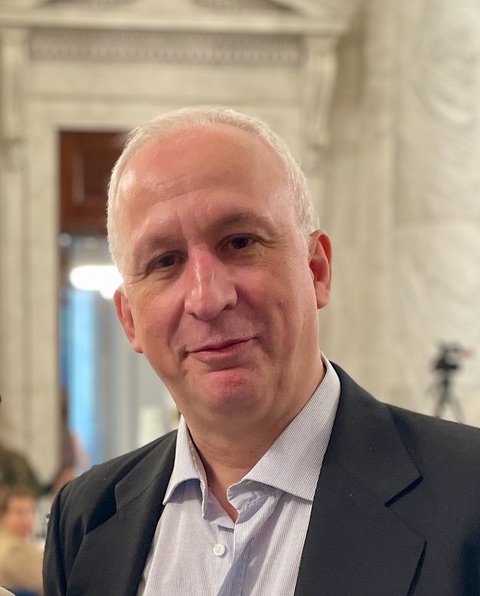
David Banisar is a Visiting Senior Fellow at the London School of Economics in the Department of Government. His work focuses on transparency and access to information of public and private bodies, including freedom of information, freedom of expression, whistleblowing, and privacy and data protection. He is also a fellow at the Government Accountability Project and the Stakeholder Forum for a Sustainable Future. He has served as an advisor and consultant to numerous organizations, including the Council of Europe, the UN Special Rapporteur on Freedom of Expression, the Organization for Security and Co-operation in Europe, the UN Development Programme, and Transparency International.
David was previously Senior Legal Counsel at ARTICLE 19 where he led the organization’s work on transparency and information rights, including the right to information, anti-corruption, environmental protection and sustainable development. At ARTICLE 19, he was a member of the CCC between 2011 and 2020, serving as vice-chair twice, and chair in 2019-2020. He has also been a research fellow at the Kennedy School of Government at Harvard University, and a visiting fellow at Stanford’s Center for Internet and Society and the University of Leeds Law School.