What is the UNCAC Implementation Review Mechanism (IRM)?
The IRM is a peer review process that helps to monitor and strengthen the implementation of the Convention. States Parties are supported by peer reviewers and the UN Office on Drugs and Crime (UNODC) who help to identify gaps and good practices in their anti-corruption frameworks, and provide technical assistance, capacity building and advisory services. In principle, the IRM provides a space for expert dialogue that can help drive sustained anti-corruption reform. With effective follow-up, it has the potential to be a powerful tool for preventing and mitigating corruption worldwide.
How did it originate?
Whilst the UNCAC is currently the only legally binding anti-corruption framework in place, with a comprehensive approach to tackling anti-corruption, its Implementation Review Mechanism (IRM) was not originally drafted into the Convention when it entered into force in 2005.
It was only after States Parties requested such a mechanism that it was put into place a few years later. Civil society organizations (CSOs) played a key role in advocating for an effective IRM, which was eventually adopted at the 2009 UNCAC Conference of the States Parties (CoSP3) in Doha, Qatar through Resolution 3/1 and the mechanisms Terms of Reference.
At the 2009 UNCAC Conference of the States Parties (COSP3) in Doha, civil society advocacy for an UNCAC review mechanism was realized with the successful adoption of Resolution 3/1 and the mechanism’s Terms of Reference.
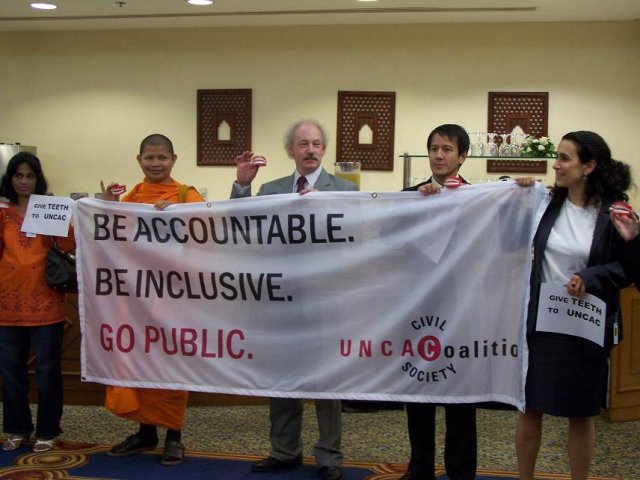
CSO representatives advocating for a strong IRM at CoSP3 in 2009, in Doha, Qatar
In July 2010 the IRG met for the first time in Vienna and adopted the guidelines for governmental experts and the UNCAC secretariat – the UNODC – in the conduct of a country review.
15 years later, in December 2025 at the 11th CoSP – again in Doha, Qatar – States Parties adopted Resolution 11/2 on the second phase of the UNCAC IRM, which is set to commence in 2027.
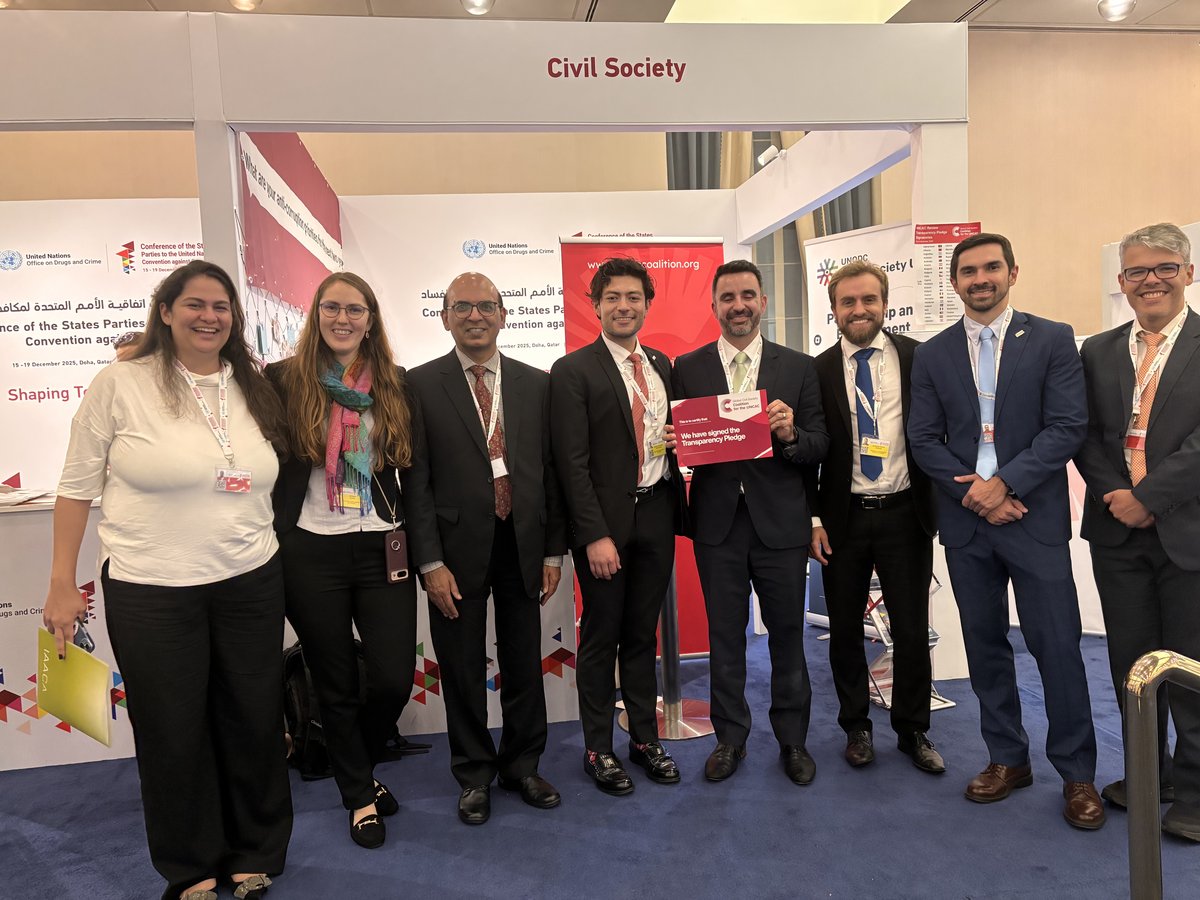
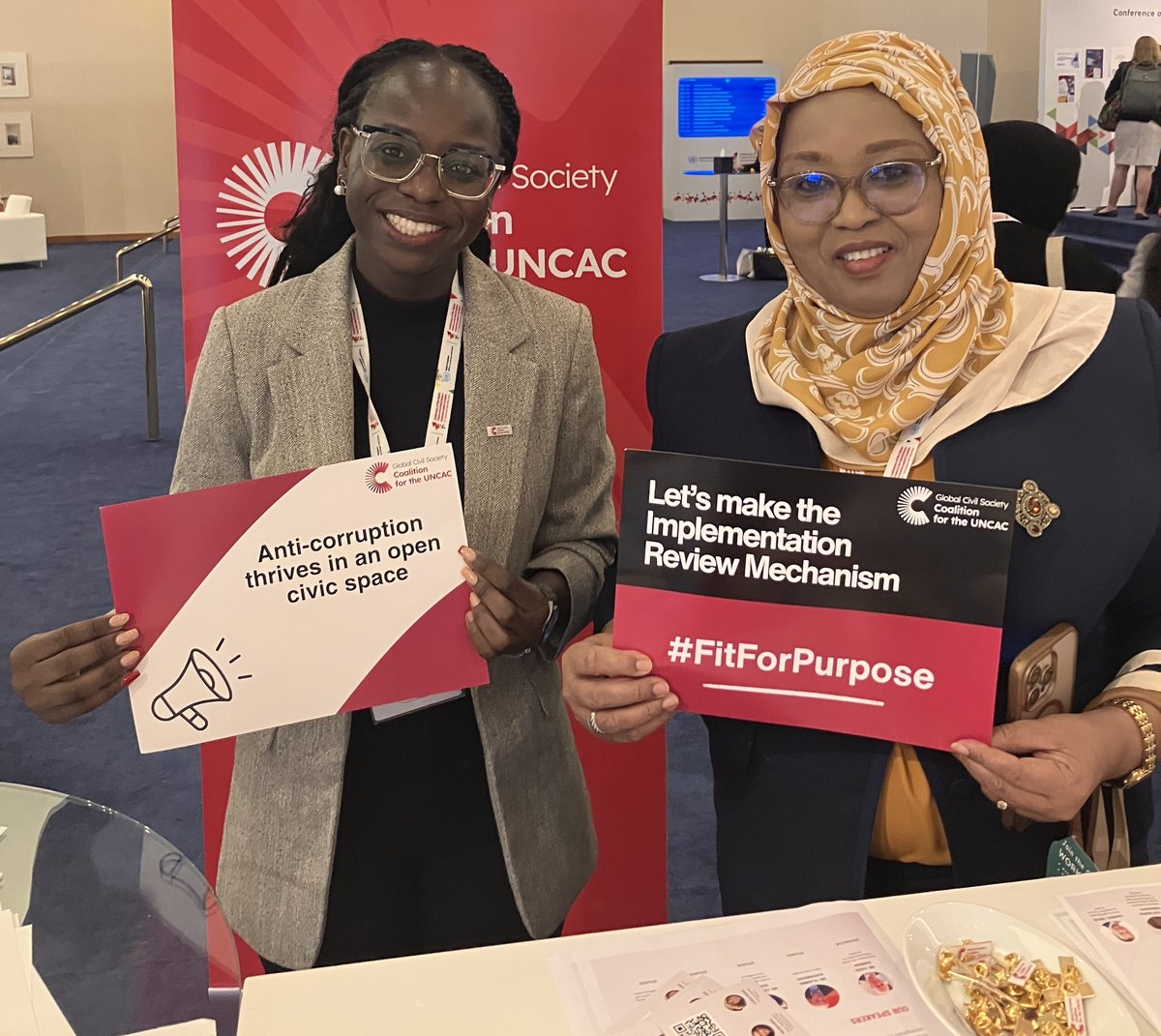
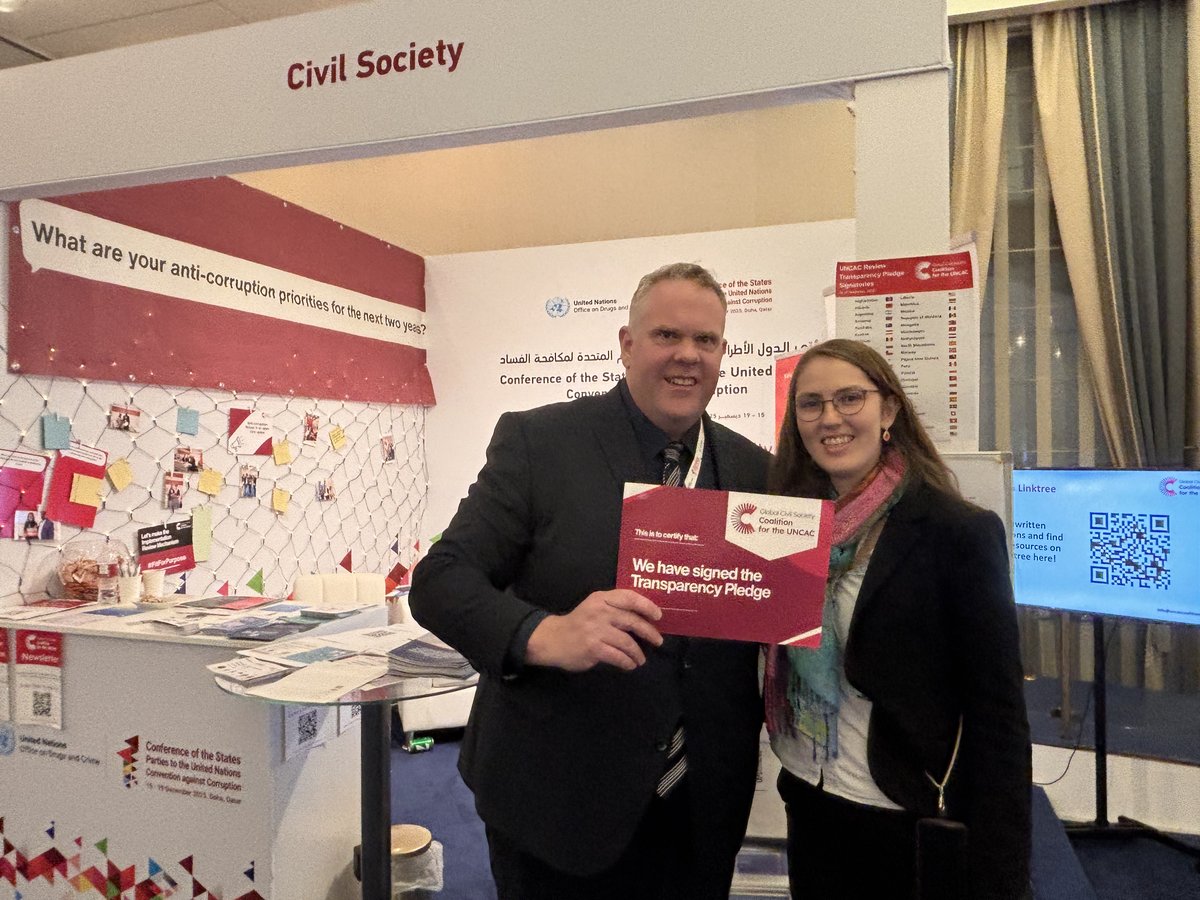
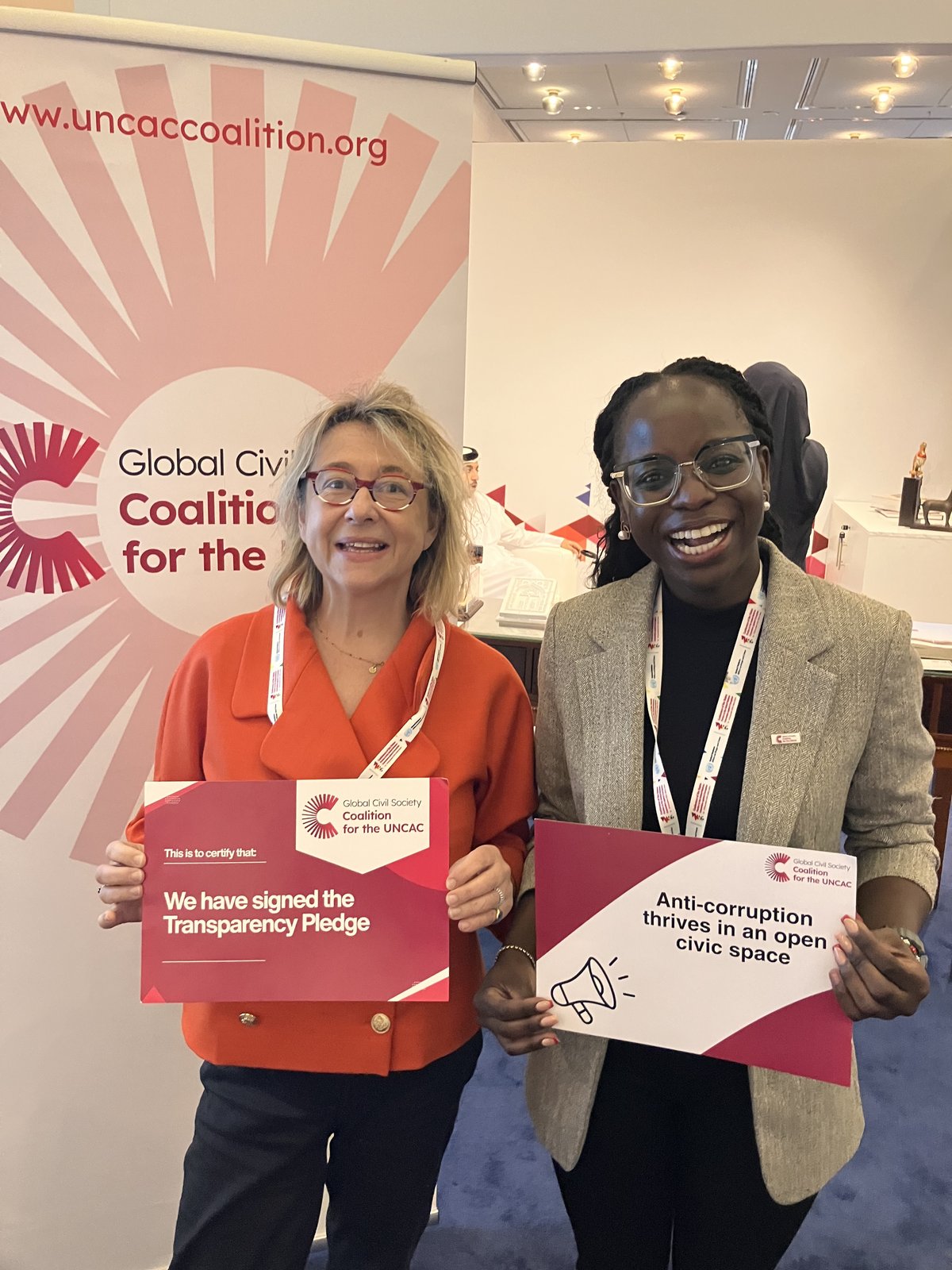
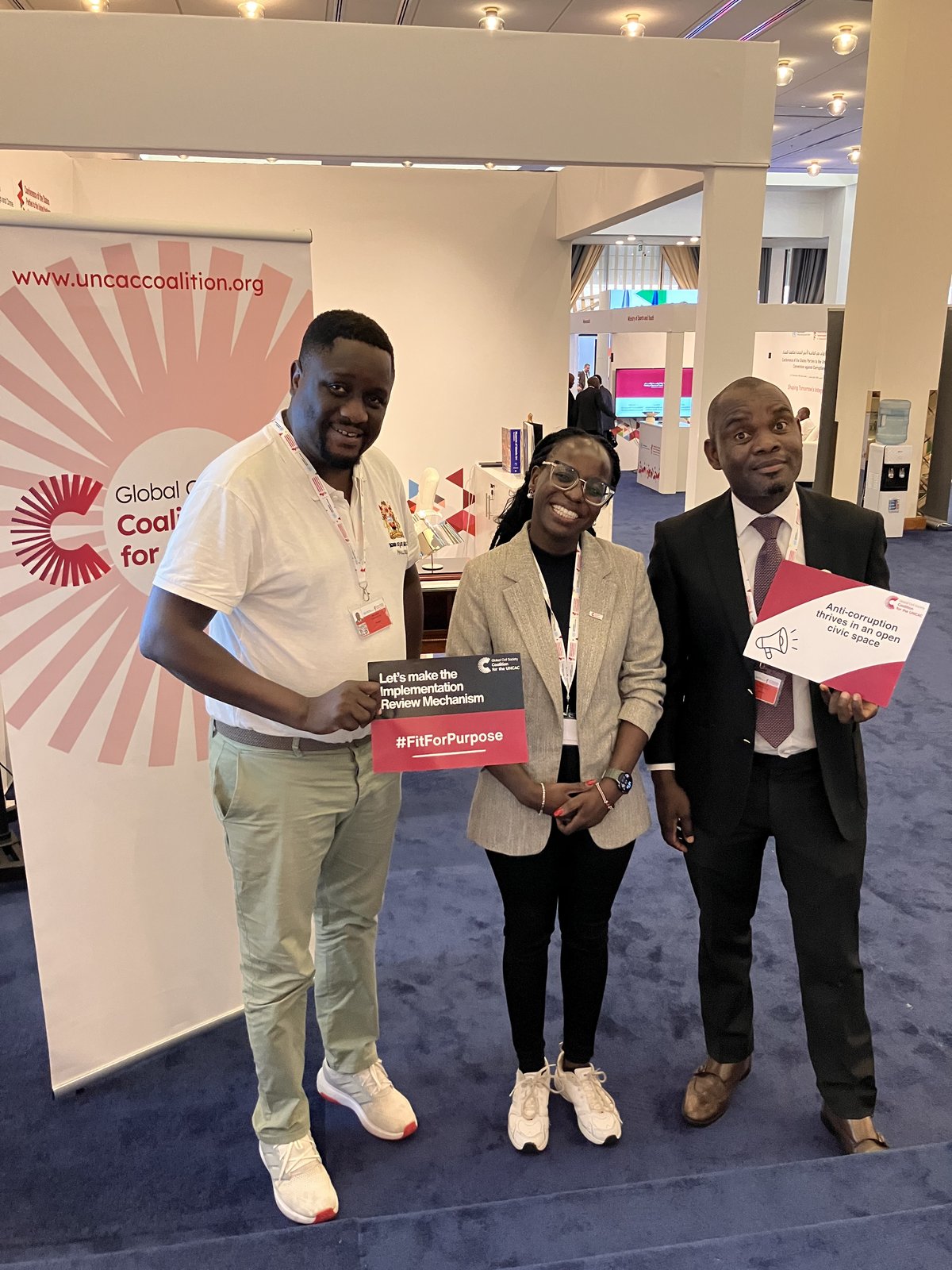
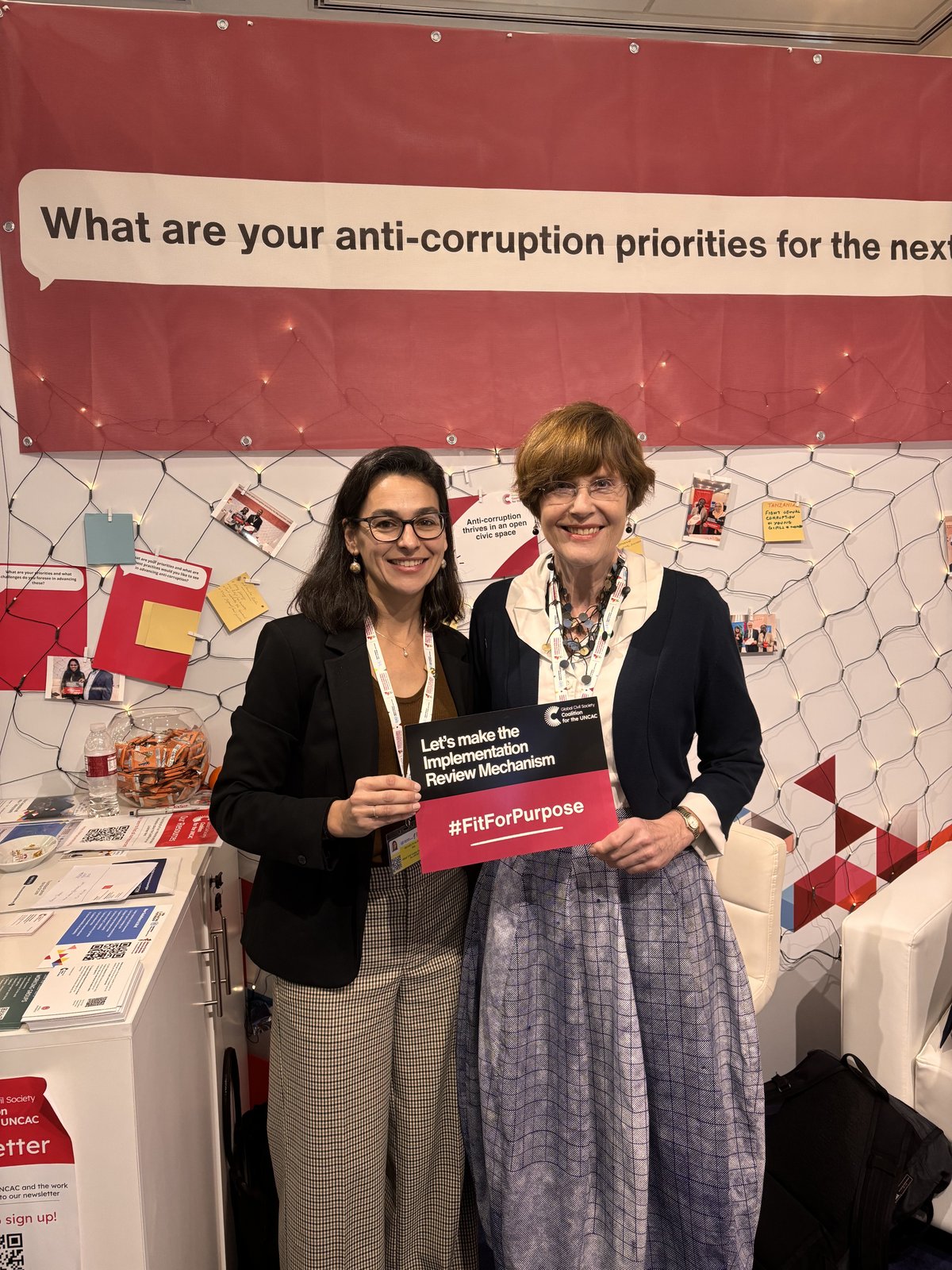
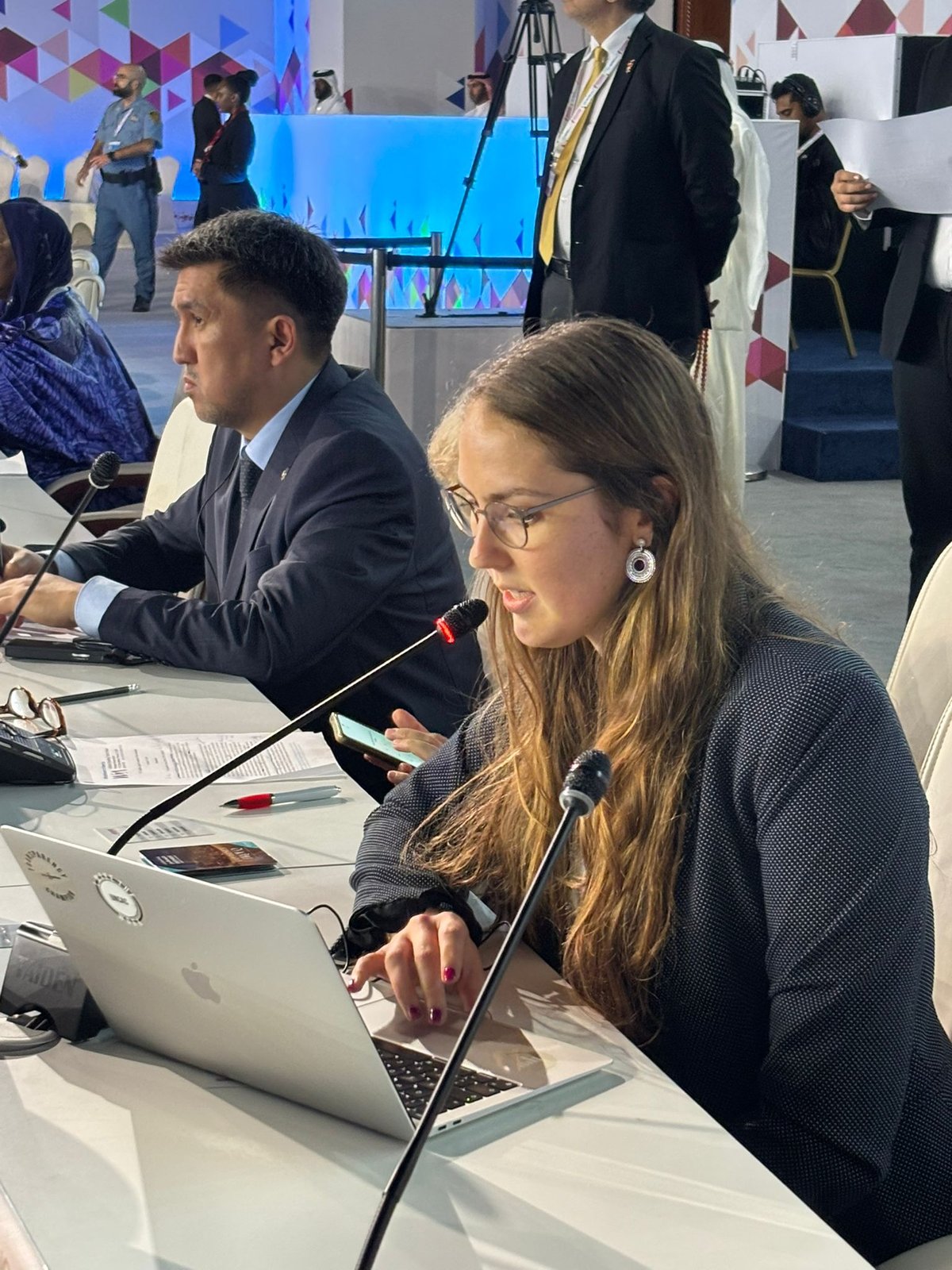
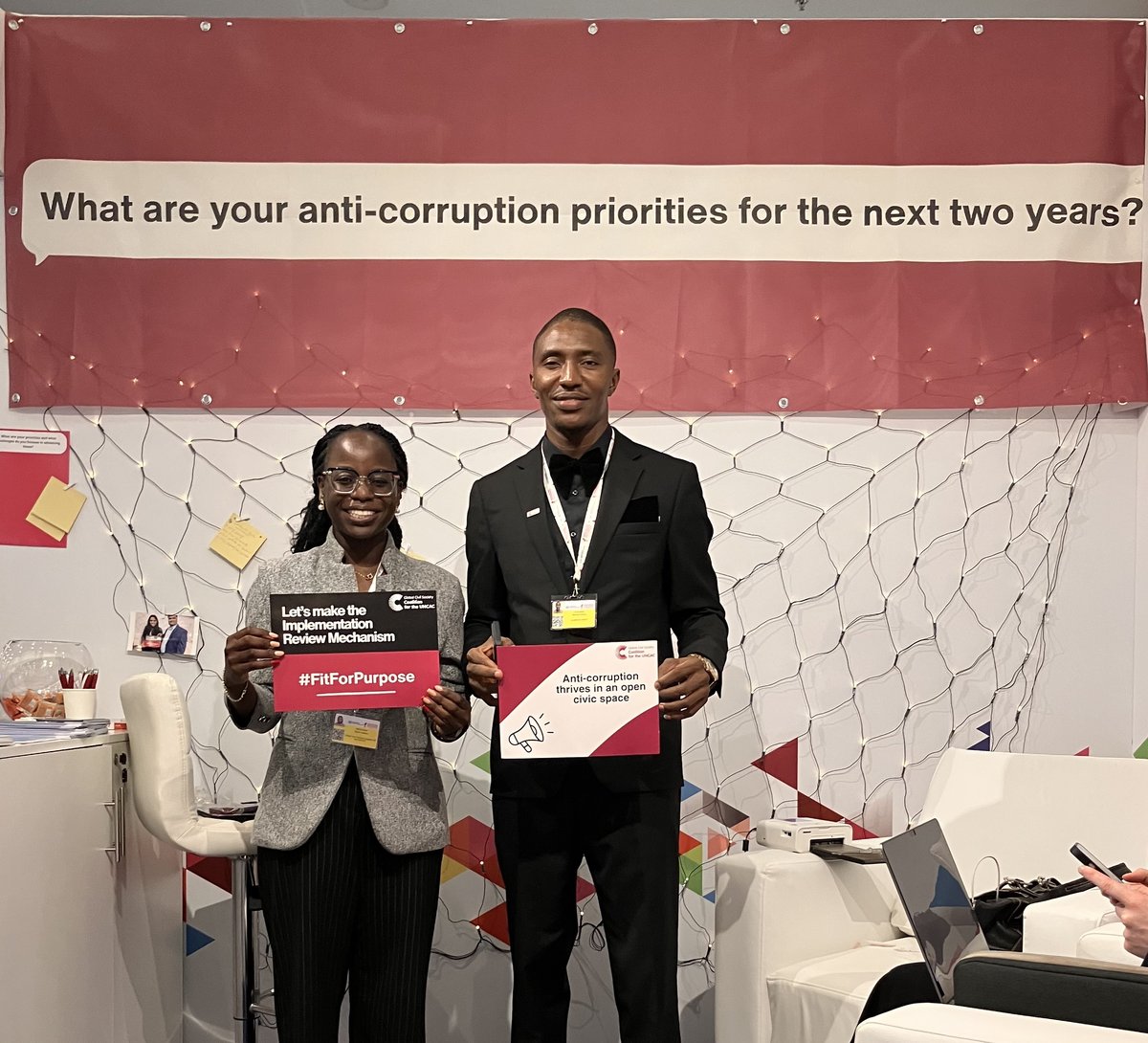
IRM advocacy at CoSP11 in 2025, in Doha, Qatar.
Credit: Coalition
How does the UNCAC IRM work?
The first phase of the review mechanism comprises two cycles:
- The first cycle (2010–2015) covers chapter III on criminalization and law enforcement and chapter IV on international cooperation
- The second cycle (initially 2015–2020) covers chapter II on preventive measures and chapter V on asset recovery. The 10th UNCAC Conference of States Parties extended the review cycle to June 2026, as a result of significant delays, with the goal of completing at least 70% of country reviews by then.
Approximately a quarter of the States Parties are scheduled for review in each of the first four years, with the fifth year reserved for unanticipated delays or countries acceding during the review cycle.
The second phase of the IRM, as decided on in CoSP Resolution 11/2, is set to commence in May 2027. It calls on all States Parties who have not yet completed their 1st phase reviews, both of the first and second cycle, to do so by the end of 2027 at the very latest.
Under the ongoing first phase reviews, a country review process follows these phases:
UNODC informs the State Party that it is under review. The State Party identifies a focal point to coordinate the country’s participation in the review and then coordinates the filling out of a standardized self-assessment checklist.
Two reviewer countries (one from the same region and another one from any region) – decided by a drawing of lots – provide experts to form an expert review team. The team conducts a desk review of the completed self-assessment checklist. It may require further information from the focal point and direct dialogue through conference calls, or a country visit if agreed by the country reviewed.
It is common practice that States Parties agree to a country visit by UNODC and the peer reviewing countries to meet with key institutions and other stakeholders. If a country visit is not possible, States may opt for holding a Joint meeting in Vienna on the sidelines of an IRG or another CoSP subsidiary body meeting.
With the assistance of UNODC, the expert review team prepares a country review report (80–300 pages) and an executive summary of this report (7-12 pages). The country review report and executive summary are sent to the focal point for approval. In cases of disagreement, the reviewers and the contact point engage in dialogue to arrive at a consensual final report, which is published in full only with the agreement of the country under review. The executive summary, once finalized upon agreement, is translated into the six official languages of the United Nations and made available as a document of the Implementation Review Group.
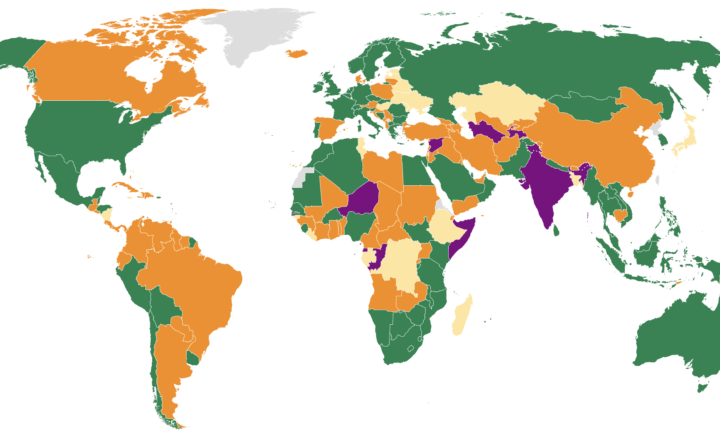
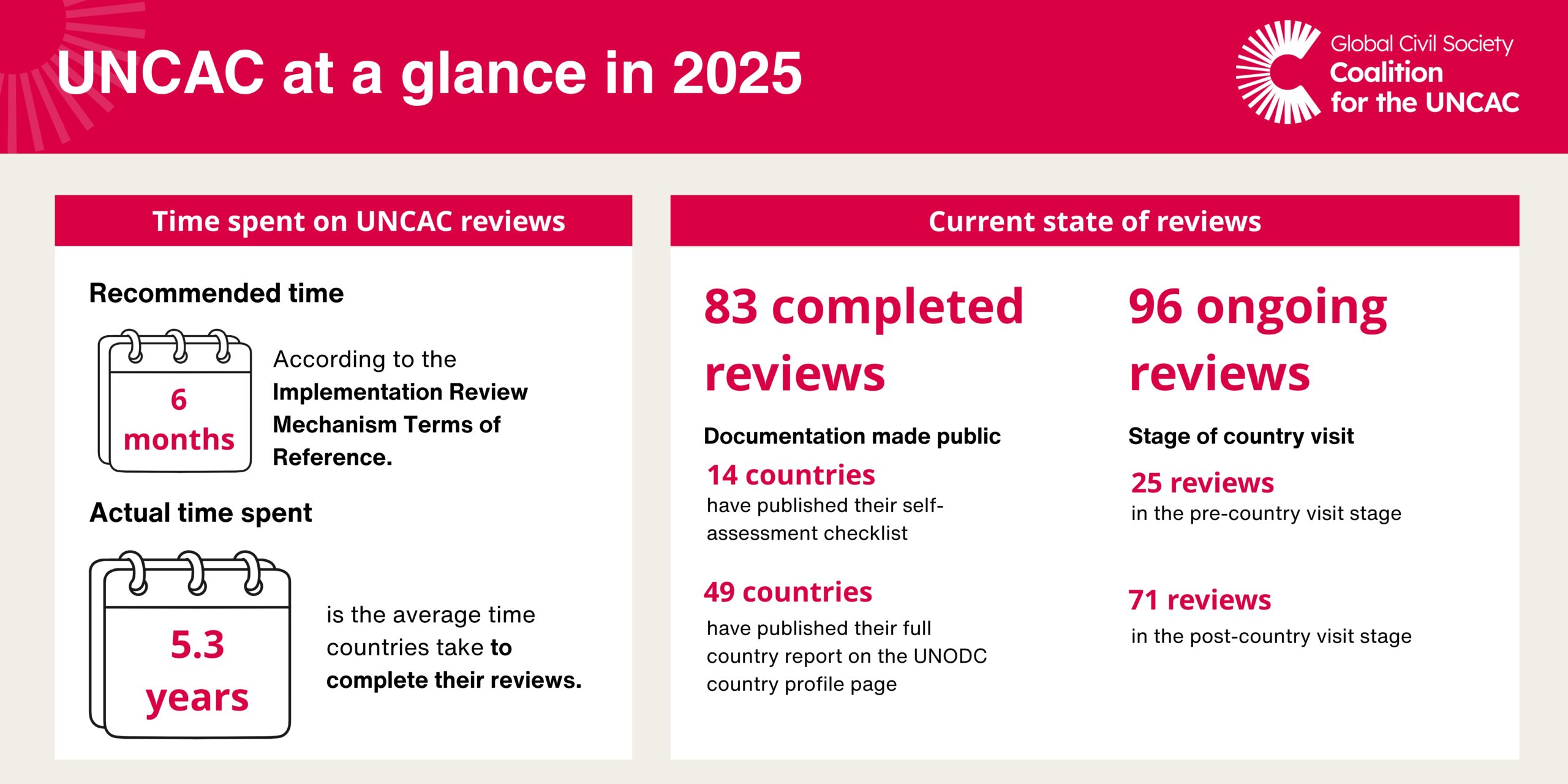
Where do the reviews stand now?
What is the role for civil society?
The UNCAC recognizes the crucial role of civil society in successful anti-corruption efforts: supporting governments to meet their UNCAC obligations and contributing to ongoing assessments of their performance through the UNCAC review process.
Civil society holds an important role as an independent observer of governments’ implementation of the UNCAC and of the transparency of the review process.
Advocate for a transparent and inclusive review mechanism
Civil society participation is limited by the UNCAC review mechanism guidelines. These guidelines provide the discretion to countries to decide on the extent of participation and transparency in their country reviews. It is up to them to decide whether to allow:
- Civil society involvement in the preparation of the self-assessment checklist
- Publication of information on the focal point
- Timely publication of the review schedule
- Publication of the self-assessment responses online or access to the responses directly to civil society organisations upon request
- Inclusion of some form of civil society dialogue with the peer reviewers, including an opportunity to submit written reports
- An in-country visit with an opportunity for civil society groups and other stakeholders to meet and provide oral and written input to the official reviewers
- Publication of the full country review report (it is only mandatory to publish the executive summary)
It is therefore important that CSOs actively advocate for transparency and participation during the UNCAC review process in their country.
Advocate for compliance with your country’s UNCAC commitments
UNCAC-based advocacy aims to achieve specific improvements in a country’s anti-corruption system by referencing UNCAC standards and calling for the government to fulfil its UNCAC commitments.
Civil society input is valuable at many stages of the review process (see phases in the review process above). Civil society organisations may:
- Monitor implementation of the UNCAC themselves and produce a parallel review report as a contribution to the review process
- Comment on the official country review report
- Ask the government to sign the Transparency Pledge and be more transparent and inclusive of civil society in the review process
- Participate in our Access to Information Campaign to request the publication of key information of a country’s UNCAC reviews in the first and second cycle
- Follow-up on the implementation of the country review report recommendations
- Monitor the implementation of CoSP resolutions at the national level
Key resources
- Using the UN Convention against Corruption to advance anti-corruption efforts: A guide: Arabic, English, French, Spanish
- Guide to Transparency and Participation in the UNCAC IRM
- UNCAC Review Status Tracker
- Transparency Pledge
- Overview of the entry points for civil society and key advocacy objectives during the review process
- Guides for drafting civil society reports: